EPCS-TE final transnational partners’ meeting successfully held in Rovereto, Italy
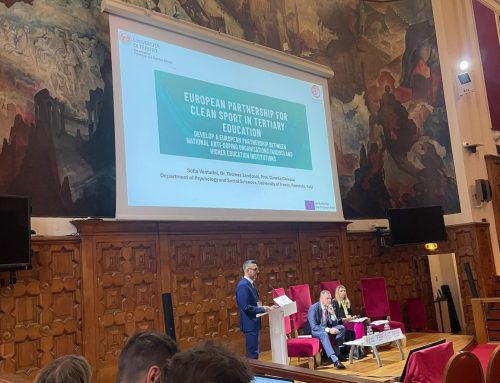
The 4th Transnational Partners’ Meeting took place on 15–16 January 2026 at the premises of the Addiction Science Lab of the University of Trento in Rovereto, Trentino, Italy. Over two days, project partners convened to review progress and discuss the next steps of the initiative. Central to the agenda was the finalisation of the Framework for the Partnership for Clean Sport in Tertiary Education and its accompanying implementation guidelines. Partners also discussed the University of Trento case study in the context of the Milano-Cortina 2026 Winter Olympic and Paralympic Games, exploring its potential as a long-term legacy for anti-doping education, alongside plans for the project’s final conference.

Following the partners’ meeting, the University of Trento’s Addiction Science Lab organised a dedicated event titled “Towards Milano-Cortina 2026: Anti-Doping Education and Mental Health”. The event gave EPCS-TE partners the opportunity to present the project’s findings and discuss how effective collaboration between NADOs and universities can be developed in practice. Attendees included EPCS-TE partners alongside delegates from the Universities of Trento and Verona and the Italian Paralympic Committee.
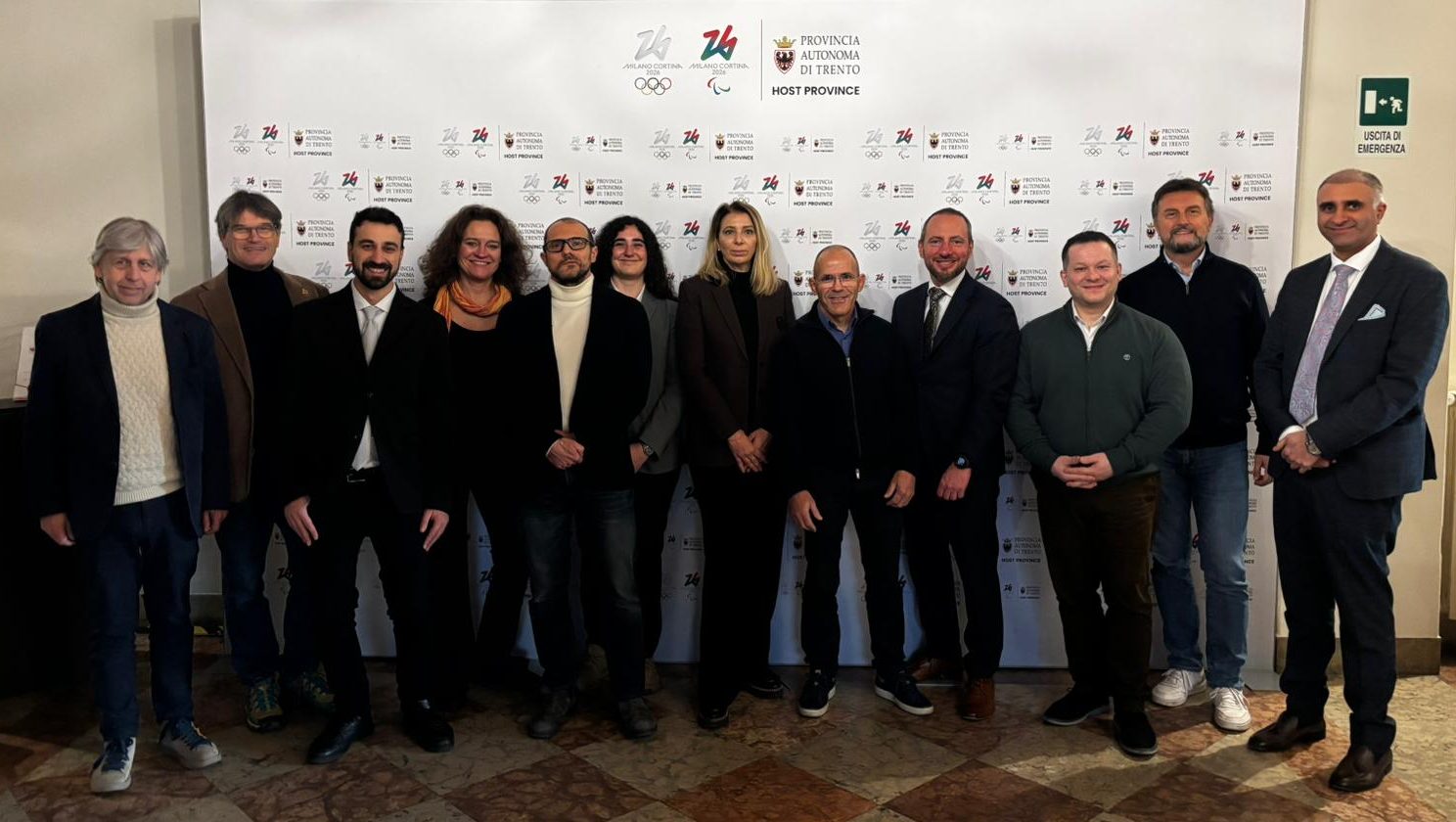
Showcasing the Partnership for Clean Sport in Tertiary Education at iNADO’s webinar
The EPCS-TE project was featured at the Institute of National Anti-Doping Organisations (iNADO) webinar Bridging the Gap – Integrating Anti-Doping Education into Sport-Related Higher Education, held on 3 February 2026. The event brought together a diverse and high-profile audience of over 35 national and regional anti-doping organisations, alongside representatives from the World Anti-Doping Agency (WADA), sport governing bodies, government authorities, and universities from across Europe and beyond.
Project Coordinator Dr Michael Petrou, President of the Cyprus Anti-Doping Authority (CyADA), introduced the EPCS-TE project to the international audience, presenting its background, core activities, and key achievements to date. He was joined by a distinguished panel of speakers: Dr Umutcan Kayikci, researcher and member of the Turkish Anti-Doping Commission; Dr Ruta Banytė, President of the Lithuanian Anti-Doping Agency; and Dr Patrick Stolpmann, Executive Director of the International Council of Sport Science and Physical Education.
The session closed with a lively and substantive discussion among panellists and participants, focusing on how national anti-doping organisations and academic institutions can strengthen their collaboration to address doping in sport more effectively. The webinar underscored the growing international recognition of the role that higher education can play in advancing anti-doping education, a central ambition of the EPCS-TE project.
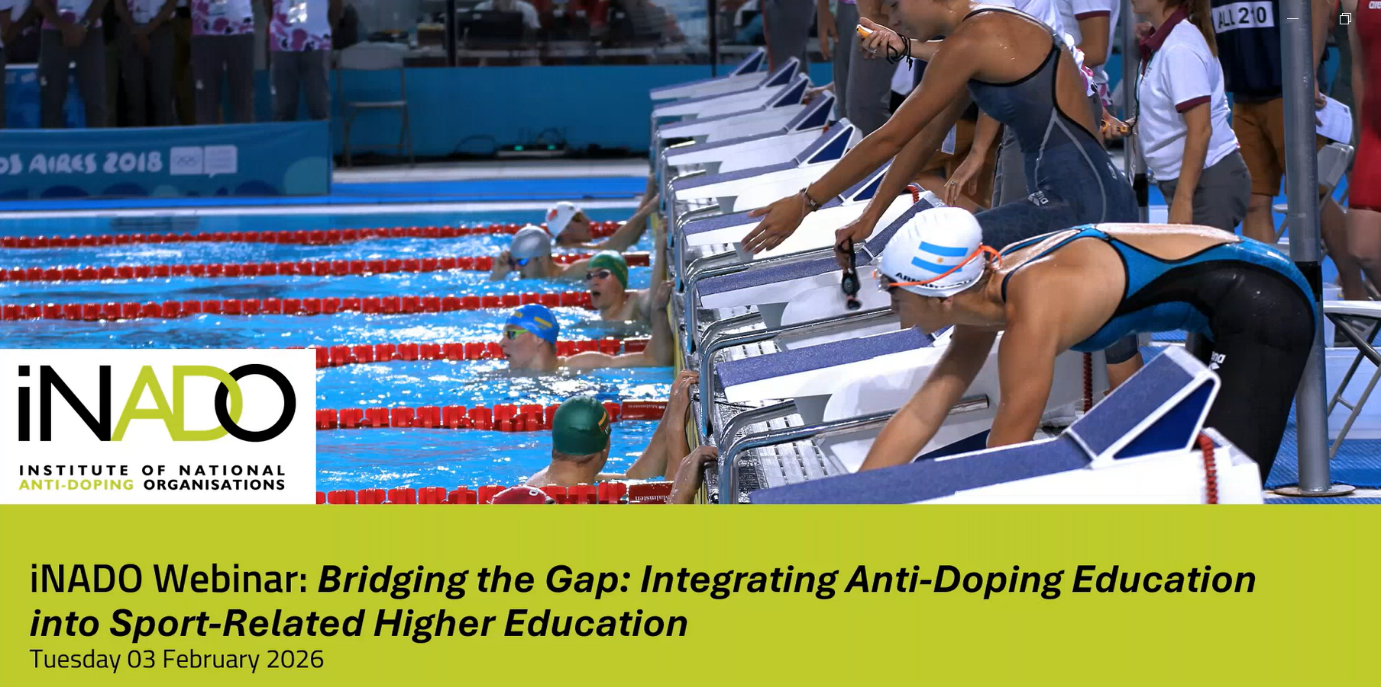
Bringing it all Together: EPCS-TE Concludes with a Call for Lasting NADO-University Partnerships
The European Partnership for Clean Sport in Tertiary Education (EPCS-TE) marked the conclusion of its journey with the End-of-Project Conference taking place on 17 April 2026, bringing together 40 participants from more than 17 countries to reflect on the project’s achievements and look ahead to the future of anti-doping education in higher education settings.
The online conference was organised by the Cyprus Anti-Doping Authority – project coordinator – and convened a rich mix of representatives from National Anti-Doping Organisations (NADOs), universities, and experts in anti-doping and higher education. The presence of the World Anti-Doping Agency and the Council of Europe further underscored the international significance of the initiative. The project’s consortium came together to share the results of three years of collaborative work.
 The project’s research findings painted an encouraging yet clear-eyed picture: while the potential for NADO-university collaboration is substantial, realising that potential requires more systematic, formalised, and impact-driven approaches than currently exist in most contexts.
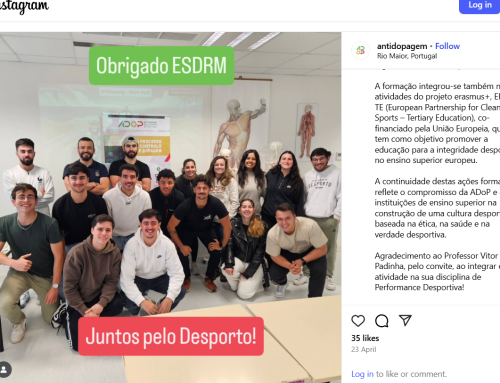
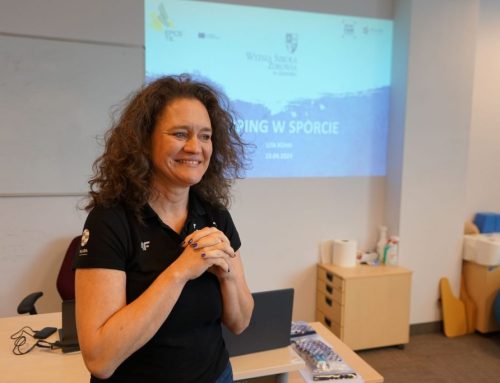
Concrete examples of what such collaborative partnerships can look like in practice were brought to life through case studies from Poland, Portugal, and Italy, spanning the full spectrum from emerging collaborations built on project momentum to well-established and structured models. The experience shared by UK Anti-Doping offered a particularly instructive benchmark, illustrating what sustained institutional investment in NADO-university collaboration can achieve over time.
Across all discussions, a consistent theme emerged: universities have a vital and multifaceted role to play in promoting clean sport, not only through curriculum development, but through research, community outreach, and the education of the next generation of professionals who will work at the intersection of sport, health, and ethics.
The key outputs presented at the conference included:
- EPCS-TE Framework for the Partnership for Clean Sport in Tertiary Education, which offers practical, structured guidance for NADOs and higher education institutions seeking to build and sustain meaningful collaboration.
- Clean Sport Partnership Pledge, inviting stakeholders to commit to formalising and strengthening their collaborative efforts.
Recommendations to the Monitoring Group of the Anti-Doping Convention of the Council of Europe, aimed at informing a potential update of the Council of Europe Anti-Doping Education Guidelines for Tertiary Education Institutions to reflect the current landscape and ensure lasting relevance.

In a fitting close, and in line with the global Play True Day initiative, participants from across languages and countries joined voices to affirm the values of clean sport.
EPCS-TE Multiplier Events: Sharing Project Findings with National Stakeholders
As part of its dissemination activities, the EPCS-TE consortium organised national multiplier events in all four partner countries (Cyprus, Italy, Poland, and Portugal) to share the project’s findings with key national stakeholders and explore how its outputs can be put into practice beyond the project’s lifetime.
The Cyprus multiplier event, organised by the Cyprus Anti-Doping Authority (CyADA) on the 24th of April 2026 at the Olympic House, in Nicosia, brought together 25 participants from universities, sport federations, and national authorities and ministries. The event provided an opportunity to present the key findings of the EPCS-TE project and to discuss how they can be used to support closer and more structured collaboration between CyADA and Cypriot universities in the area of anti-doping education. Participants engaged actively in discussions, reflecting the strong interest among national stakeholders in taking this agenda forward after the project ends.
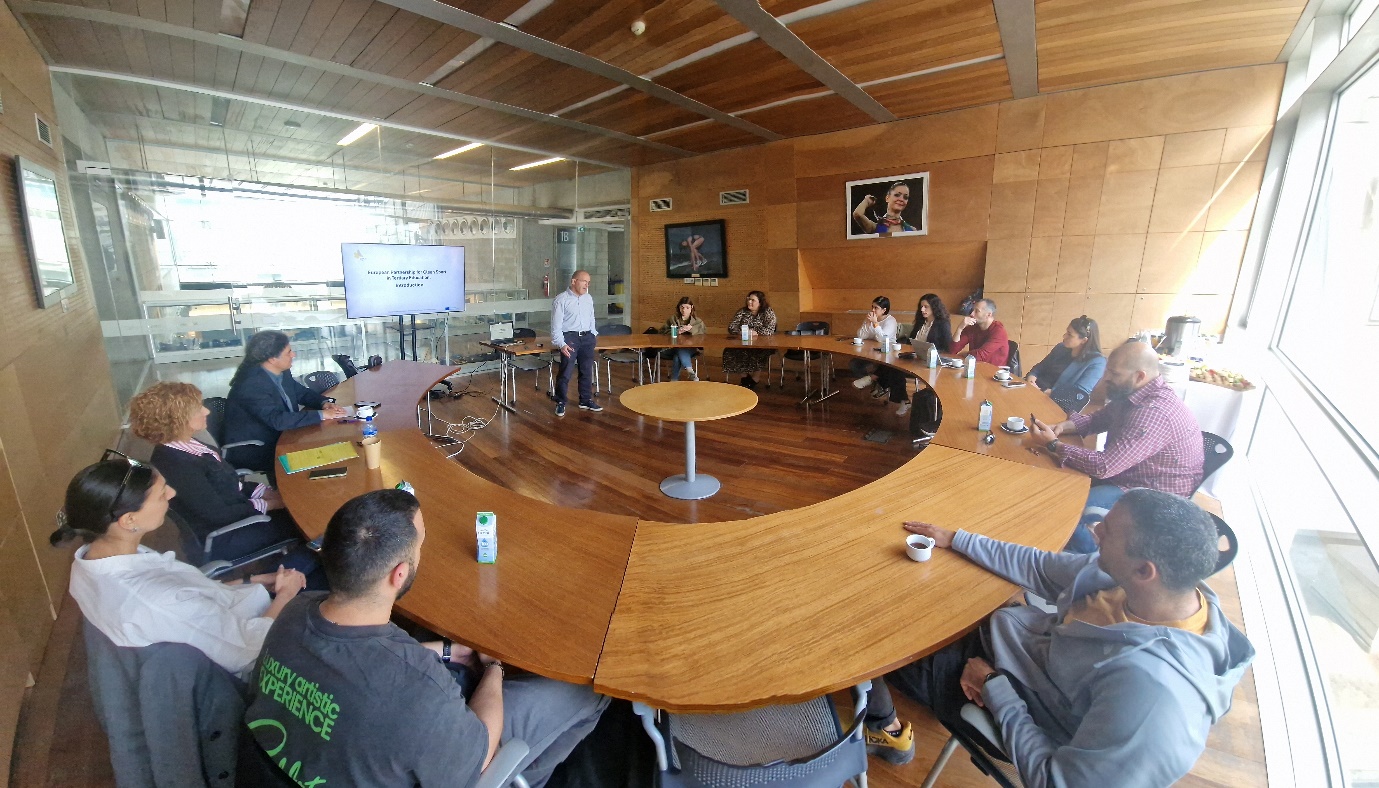
Similar events were held by consortium partners in Italy, Poland, and Portugal, each engaging local universities, anti-doping authorities, and relevant stakeholders in discussions tailored to the national context.